Detecting whether an Android device is rooted or an iOS device is jailbroken is a security-sensitive task, and it’s important to note that no method is foolproof. Determining the root or jailbreak status can be challenging due to various techniques used by users to hide such modifications. However, there are libraries available that attempt to […]
Rooted (Android) or jailbroken (iOS) devices pose security concerns because these modifications grant users elevated privileges and the ability to bypass built-in security mechanisms. Here are some common security concerns associated with rooted or jailbroken devices: 1. Elevated Privileges: 2. Malicious Apps: 3. Bypassing App Store Security: 4. Security Patch Bypass: 5. Tampering with System Files: 6. […]
In the digital age, the web has become an integral part of our lives, connecting us to information, services, and each other. However, with this connectivity comes the challenge of securing our online experiences. This article delves into the world of common web vulnerabilities, shedding light on the threats that lurk beneath the surface of […]
Integrating Google Cloud Platform (GCP) Secret Manager with a CodeMagic CI/CD pipeline involves retrieving secrets securely from GCP Secret Manager and using them within your build and deployment process. Here are the steps to integrate GCP Secret Manager with a CodeMagic pipeline: Prerequisites: Integration Steps: 1. Set Up Environment Variables in CodeMagic: 2. Configure Build […]
CodeMagic environment variables and Google Cloud Platform (GCP) Secret Manager serve different purposes in the context of app development and deployment. Here’s a comparison of the two: CodeMagic Environment Variables: GCP Secret Manager: Comparison: Conclusion: CodeMagic environment variables are useful within the context of the CodeMagic CI/CD platform, whereas GCP Secret Manager is a more comprehensive […]
Building a web app for Augmented Reality (AR) and Virtual Reality (VR) can be a complex but exciting endeavour. These technologies offer immersive and interactive experiences to users. Here’s a general guide on how to build a web app for AR and VR: 1. Define Your AR/VR Project: 2. Choose the Right Framework: 3. Select […]
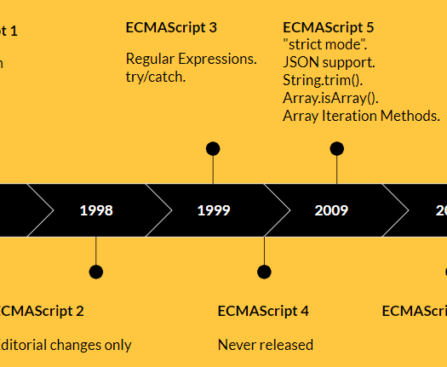
List of some of the major features introduced in each version of ECMAScript: ECMAScript 1 (1997) ECMAScript 2 (1998) ECMAScript 3 (1999) ECMAScript 4 (never released) ECMAScript 5 (2009) – Examples ECMAScript 6 (2015) – Examples and W3 Examples ECMAScript 7 (2016) – Examples ECMAScript 8 (2017) – Examples ECMAScript 9 (2018) – Examples ECMAScript […]
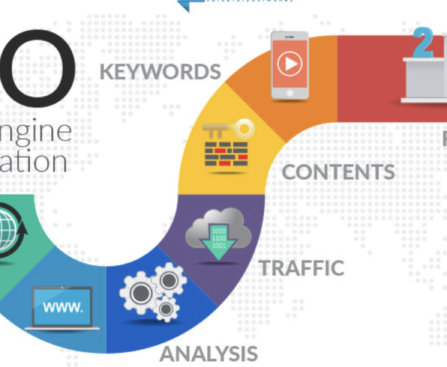
SEO, or Search Engine Optimization, is the practice of optimizing your website and its content to improve its visibility and ranking in search engine results pages (SERPs). The primary goal of SEO is to increase organic (non-paid) traffic to your website by making it more appealing and relevant to search engines like Google, Bing, and […]
Lazy loading is a technique used to defer the loading of images and videos on a web page until they are about to enter the user’s viewport (the visible portion of the page). This can significantly improve page load times and reduce unnecessary data transfer. To implement lazy loading, you can use the loading attribute […]
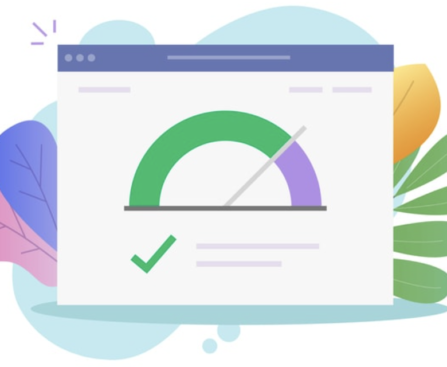
Improving page load time is crucial for providing a better user experience, reducing bounce rates, and potentially improving your website’s search engine rankings. Here are some strategies to help you improve page load time: Optimize Images: Minify CSS and JavaScript: Leverage Browser Caching: Enable Gzip Compression: Optimize Critical Render Path: Reduce HTTP Requests: Lazy Loading: […]