Inline Critical CSS refers to the practice of including critical (above-the-fold) CSS directly within the HTML of a web page, rather than loading it from an external stylesheet file. This technique can help reduce the time it takes for a web page to render because the browser doesn’t have to make an additional HTTP request […]
Combining the Document Object Model (DOM) and the CSS Object Model (CSSOM) to create a Render Tree is a crucial step in the browser rendering process. Below is a simplified example illustrating how the DOM and CSSOM are combined: Let’s consider a simple HTML document: DOM Construction: The browser parses the HTML and constructs the […]
The Document Object Model (DOM) and the CSS Object Model (CSSOM) are critical components of web browsers that represent the structure and styling of a web page, respectively. Here, I’ll explain how the DOM and CSSOM are created and provide examples. Creating the DOM (Document Object Model): The DOM is a hierarchical tree-like structure that represents […]
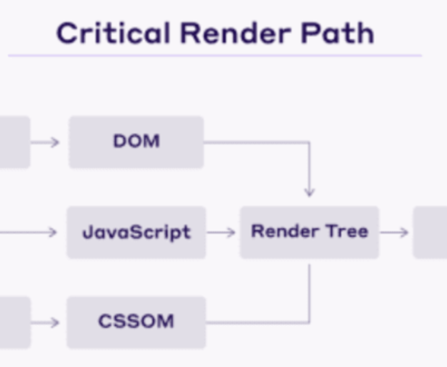
The Critical Render Path (CRP) is a concept in web performance optimization that refers to the sequence of steps the browser takes to render the initial view of a web page on the user’s screen. Understanding and optimizing the CRP is crucial for delivering fast-loading web pages. The CRP consists of several key stages: HTML […]
Web page rendering optimization is crucial for delivering fast and responsive web experiences to users. Here are some techniques and best practices to help you optimize the rendering of web pages: Minimize HTTP Requests: Leverage Browser Caching: Use Content Delivery Networks (CDNs): Optimize Images: Enable Gzip Compression: Minimize Critical Render Path: Lazy Loading: Asynchronous Loading: […]
The browser rendering cycle, also known as the rendering pipeline, is the process by which a web browser displays a web page on the user’s screen. It involves multiple steps, from receiving HTML, CSS, and JavaScript resources to rendering the final visual output. Here’s a step-by-step explanation of the browser rendering cycle: HTML Parsing: CSS […]
The front-end development field is dynamic and constantly evolving, so your growth path should involve continuous learning and adaptation to new technologies and best practices. Here’s a general front-end growth path to help you progress in your career: Basic HTML/CSS Skills: JavaScript Fundamentals: Responsive Design: CSS Preprocessors and Frameworks: JavaScript Libraries and Frameworks: Version Control: […]
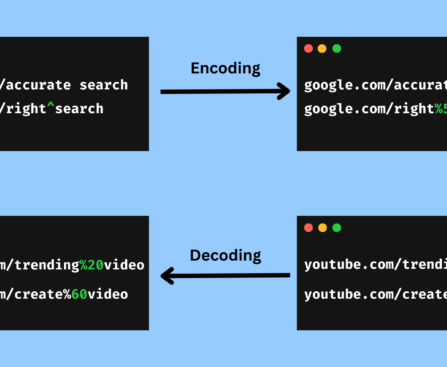
The encodeURIComponent() and decodeURIComponent() functions are part of the JavaScript standard library, so you can use them in any JavaScript code, including AngularJS applications. You don’t need to include any additional libraries to use these functions. Here’s how you can use them: encodeURIComponent() This function is used to encode a URI component by escaping special […]
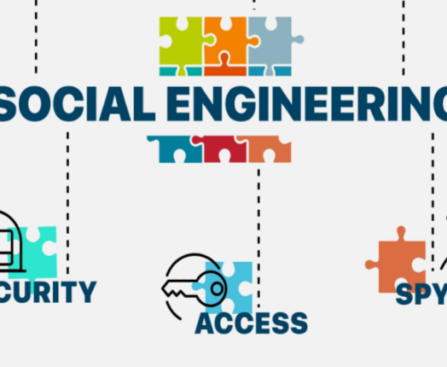
“Pretexting,” “baiting,” and “tailgating” are social engineering techniques used by individuals with malicious intent to gain unauthorized access to sensitive information, systems, or physical locations. These tactics rely on manipulation and deception to exploit human vulnerabilities. Here’s an explanation of each technique: Pretexting Definition: Pretexting involves creating a fabricated scenario or pretext to obtain information […]
A breach of code, often referred to as a “code violation” or “code of conduct violation,” occurs when a developer on a project violates the established guidelines, rules, or ethical standards related to coding and collaboration. These breaches can range from minor issues to more serious transgressions, and they can negatively impact the project and […]